June 16, 2026
The decision to modify a vehicle or home with darkened glass presents a common dilemma for property owners. Adding a protective layer to glass surfaces offers undeniable benefits, ranging from enhanced privacy to better interior temperature management. Individuals debate whether to attempt the project on their own or to hire specialists. The process of window tinting demands precision, specific conditions, and specialized tools. While retail kits flood the market with promises of easy application, the reality of the task tells a different story.
Achieving flawless results requires an environment free of dust, wind, and debris. Amateurs lack access to such controlled spaces, leading to compromised outcomes. Professional installers operate in pristine bays designed with the express purpose of eliminating airborne contaminants. The contrast between a makeshift garage setup and a dedicated workshop becomes evident in the meticulous final appearance of the treated glass. When examining the intricate details of window tinting, the case for retaining expert services becomes overwhelming.
Examining the Complexity of Application Techniques
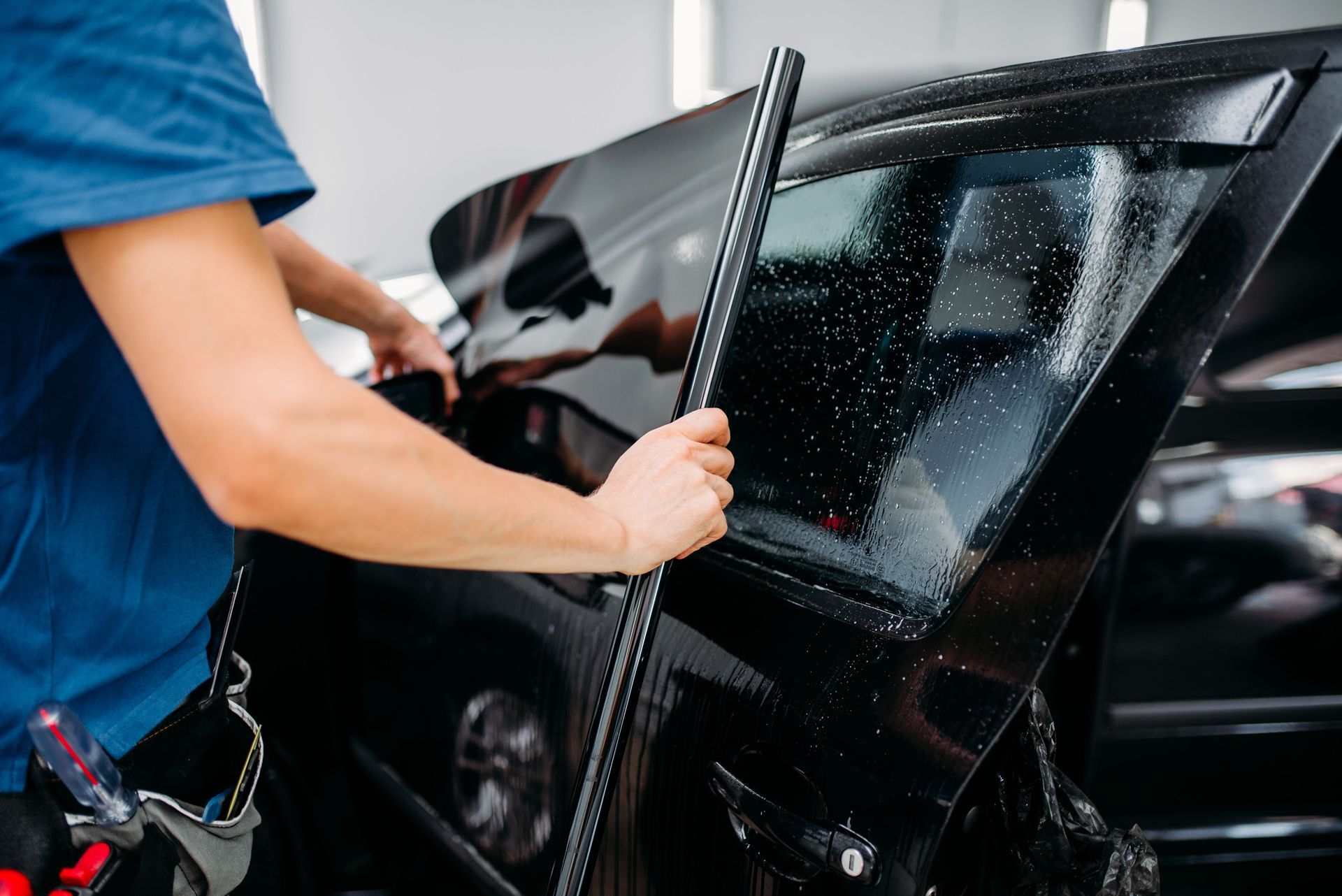
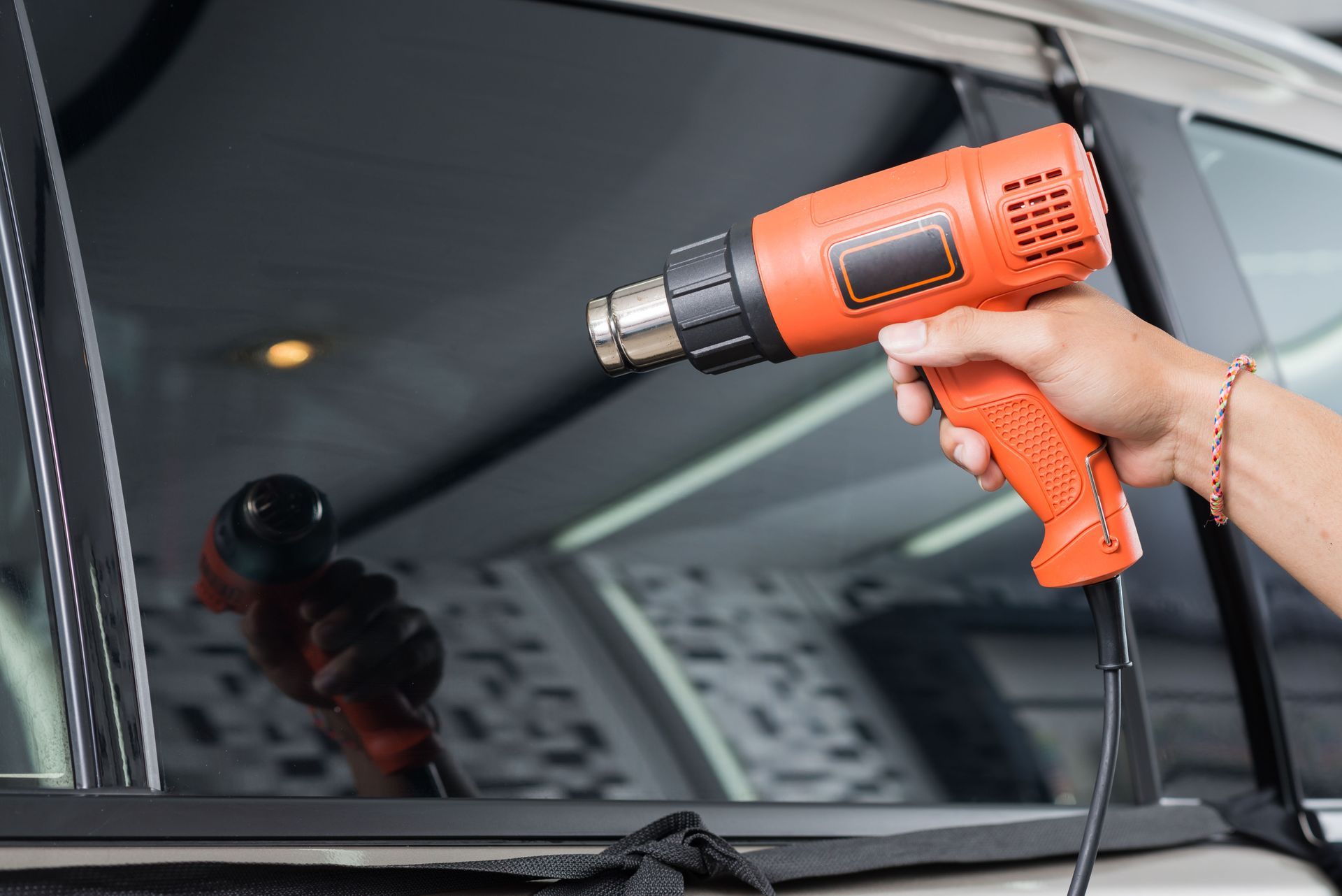
The physical application of film to curved glass surfaces involves substantial skill. Glass on modern vehicles features complex curvatures that refuse to accommodate flat sheets of material without specialized manipulation. Experts utilize heat guns to shrink the film, matching the exact contour of the target pane. Amateurs lack the muscle memory and spatial awareness required to mold the material without seams or flaws, risking irreversible product damage.
Without proper technique, the film creases, folds, or tears during the shrinking phase. The exact temperature applied dictates whether the material conforms or melts. Specialists understand the precise thermal limits of various brands and product lines. Attempting window tinting without this foundational knowledge guarantees a flawed finish, characterized by visible distortion and structural weakness. Mastery of thermal manipulation separates the amateur from the seasoned artisan in the installation industry.
Tool selection plays a critical role in the success of the application. Premium squeegees, specialized cutting blades, and dedicated slip solutions are mandatory for a professional finish. Retail packages include inferior, rigid plastic tools that scratch the film or fail to extract the moisture trapped beneath. Substandard equipment acts as a catalyst for uneven adhesion and microscopic tears along the edges of the installed material.
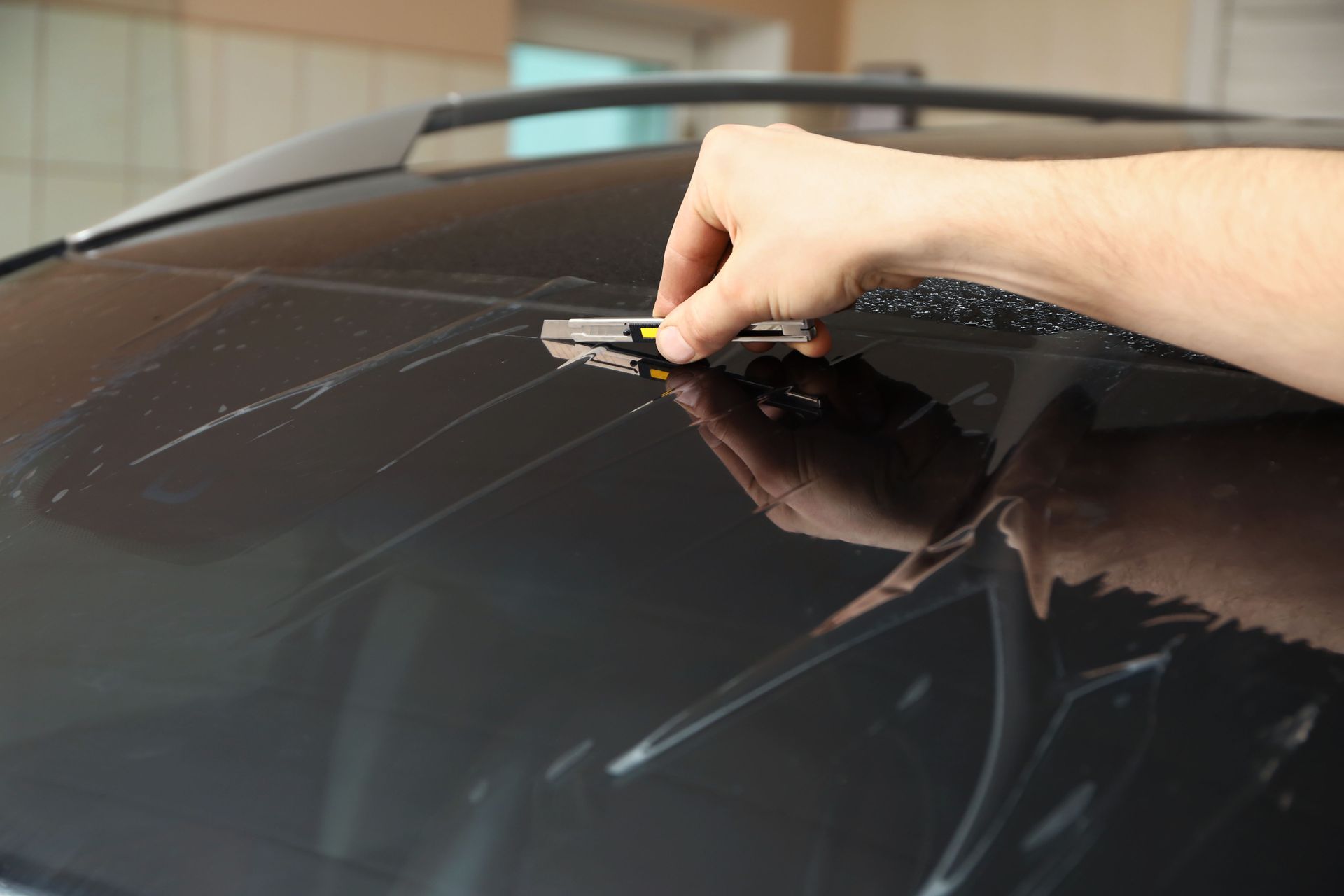
The cutting phase requires a steady hand and acute vision. Installers must trace the outline of the glass without scoring the actual pane or damaging the surrounding rubber seals. A misplaced blade ruins expensive vehicle components or leaves jagged, unsightly edges on the film. Experts execute smooth, continuous cuts that align with exact precision along the border of the glass, creating a factory-finished appearance.
Assessing the Quality of Available Materials
Consumer-grade films differ in core composition from the materials available to licensed shops. Retail kits prioritize ease of packaging over enduring performance, utilizing dyed polyester layers that fade under continuous ultraviolet exposure. These inexpensive alternatives turn purple or brown after minimal time in the sun. Property owners attempting independent installations end up applying products with inherent chemical limitations and inferior manufacturing standards.
Professional-grade options incorporate advanced technologies like ceramic nanoparticles or metallic alloys. These materials block substantial amounts of solar heat while maintaining absolute optical clarity. The sophisticated construction of these premium films prevents the breakdown of color and structural integrity over time. Access to such high-caliber materials remains restricted to professional installation centers, barring amateurs from achieving superior results. The difference in material quality remains stark.
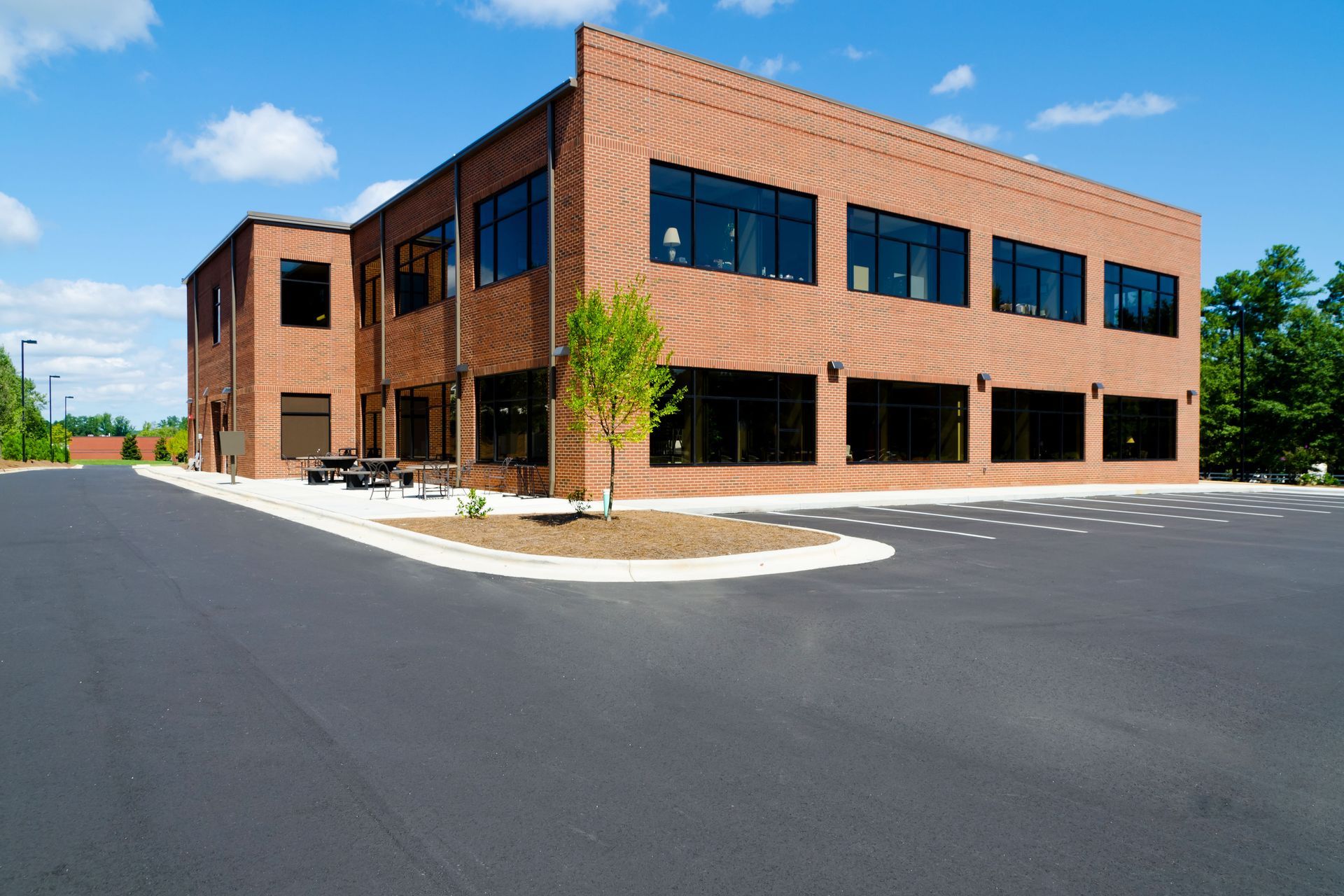
The functional benefits of premium materials extend beyond simple aesthetics. Heat rejection properties vary in stark contrast between consumer and professional products. According to MSN, using quality window films can decrease cooling expenses by up to 30%. Achieving these specific energy savings requires access to advanced architectural materials. The field of window tinting relies strongly on the underlying science of the chosen film to deliver real utility.
Adhesives used on retail films lack the resilience found in commercial-grade counterparts. Substandard glue fails to bond fully with the glass, resulting in the peeling of corners and edges. As the adhesive degrades, it creates a cloudy, distorted view that compromises safety. Experts utilize products featuring durable, optically clear adhesives designed to withstand extreme thermal fluctuations without failing or separating from the mounting surface.
Evaluating the Longevity of Finished Projects
The true value of any modification lies in its endurance over extended periods. A successful installation must last for the lifespan of the vehicle or the home windows. Independent projects fail to survive a full cycle of seasonal changes before showing signs of failure. The longevity associated with professional window tinting justifies the initial financial investment. Enduring results require expert execution from the beginning.
Bubbling represents the most common symptom of amateur application. This phenomenon occurs when trapped moisture or air expands under the film, severing the adhesive bond. Experts extract every pocket of air using specialized techniques and profound pressure. A bubbled appearance ruins the aesthetic appeal of the property and necessitates the complete removal and replacement of the material, increasing the required labor and wasting the original investment.
Delamination happens when the various layers of a cheap film separate from each other. Retail products lack the advanced lamination processes used in premium manufacturing. Once delamination begins, the film flakes off in rigid shards, creating a messy and hazardous situation. Specialists guarantee their work against such structural failures, providing peace of mind to the consumer and ensuring the product remains intact regardless of environmental conditions.
The removal of failed, amateur-applied film presents a grueling and tedious chore. Low-quality adhesives harden onto the glass, requiring toxic solvents and intensive scraping to eliminate the residue. This remediation process damages defroster lines and sensitive glass coatings. Hiring professionals circumvents the inevitable headache of undoing a botched experiment. Experts handle removal with specialized steamers that preserve the underlying glass surfaces and prevent expensive accessory damage.
Understanding the Risks of Improper Installation
Attempting an installation without proper training introduces significant risks to the property. Vehicles feature intricate electronics, sensors, and water-sensitive components hidden within the door panels. The application process requires substantial amounts of liquid slip solution. Amateurs spray this liquid without caution, allowing moisture to seep into window switches and internal wiring harnesses, causing expensive electrical shorts and permanent damage to vital control modules.
Structural damage to the glass itself remains a prevalent danger during amateur installations. Excessive heat applied with industrial heat guns shatters tempered glass if kept in a concentrated spot for an extended duration. Replacing a shattered rear windshield costs a great deal more than hiring a specialist for the initial film application. Professionals possess the experience to manage thermal stress safely without breaking the fragile glass panes.
Legal compliance constitutes another critical risk factor for individuals applying film themselves. Jurisdictions enforce strict regulations regarding the allowable darkness and reflectivity of glass on vehicles. Experts memorize these statutes and ensure every installation adheres to local laws. Amateurs apply illegal darkness levels in numerous instances, inviting traffic citations and forced removal of the material by law enforcement. Ignorance of local statutes provides no exemption from penalties.
Safety on the road depends on clear, unobstructed visibility. A distorted film, resulting from improper shrinking or cheap material, creates dangerous blind spots for the driver. Glare from uneven adhesives catches headlights from trailing vehicles, impairing vision. By opting for a professional installation, vehicle owners ensure maximum optical clarity and maintain critical situational awareness while navigating roadways. Visual impairment presents an unacceptable hazard to everyone on the street.
The desire to save money drives many individuals toward independent home and automotive projects. However, the application of protective film to glass demands an intersection of premium materials, specialized tools, and refined physical skills. The pitfalls of amateur installation range from unsightly bubbling to electrical damage. The risks far outweigh the perceived financial benefits of skipping a professional service. Seeking expert help prevents costly mistakes and regrets.
The preservation of property value and personal safety necessitates expert intervention. Skilled technicians deliver flawless, enduring results backed by comprehensive warranties. By avoiding the frustration and inevitable failure of retail kits, individuals secure an aesthetically pleasing and highly functional outcome. The intricacies of window tinting dictate that the task remains without exception in the hands of seasoned professionals. Investing in skilled labor ensures absolute satisfaction. Contact us at Superior Tint Of Boca to schedule your professional window tinting. Our skilled technicians guarantee a flawless installation and enduring results.