July 21, 2026
Every driver wants to save money at the pump, and the search for fuel efficiency often leads people to unexpected solutions. Window tinting is typically associated with privacy, style, and UV protection, but a growing number of car owners are asking whether it can also help their vehicle run more efficiently. The connection between tint and gas mileage isn't as far-fetched as it sounds, and understanding the mechanics behind it can help you make a smarter decision the next time you consider auto window tinting services. This post breaks down how tint interacts with your vehicle's climate control system, what the research actually says, and why the quality of installation matters just as much as the tint itself.
Understanding How Heat Affects Fuel Consumption
Before connecting tint to mileage, it helps to understand how heat impacts your engine's workload. When sunlight pours through untinted windows, it heats up the cabin significantly, sometimes raising interior temperatures by 40 degrees or more on a hot day. Your air conditioning system then has to work harder to cool that space down, and a harder-working AC compressor pulls more power from the engine. That extra strain translates directly into more fuel being burned just to keep passengers comfortable. This is where auto window tinting services start to matter, because reducing the amount of solar heat entering the cabin in the first place reduces the burden placed on the entire cooling system.
Reducing Solar Heat Gain Through Quality Tint Film
High-quality tint film is engineered to block a significant percentage of infrared and UV radiation before it ever reaches the glass's interior surface. Ceramic and carbon films, in particular, are known for their ability to reject heat without darkening the windows excessively. When solar heat gain drops, the cabin stays cooler for longer periods, even when the vehicle is parked in direct sun. Drivers who invest in professional auto window tinting services often report that their car feels noticeably cooler within minutes of getting inside, which means the AC doesn't need to run at maximum capacity right away. That reduced initial cooling demand is one of the first places fuel savings begin to show up.
Connecting Cabin Temperature to Air Conditioning Load
Your vehicle's air conditioning compressor is mechanically linked to the engine, and running it consumes horsepower that would otherwise go toward propulsion. By lowering the starting temperature of the cabin and slowing the rate at which heat re-enters through the glass, tint reduces how often and how intensely the compressor needs to cycle. This is a big part of why people researching auto window tinting services are often surprised to learn that the benefit extends beyond comfort and into measurable efficiency gains, particularly during long summer commutes.
Examining the Department of Energy's Findings on Window Film
The efficiency argument for tint isn't just anecdotal. According to the Department of Energy, applying window film can generate energy savings in the range of $1 to $2 for every square foot of glass treated, a figure that reflects reduced cooling and heating demands in climate-controlled spaces. While this figure is often cited in the context of residential and commercial buildings, the underlying principle applies directly to vehicles as well: less solar heat entering a glass-enclosed space means less energy required to manage the temperature inside it. For drivers evaluating auto window tinting services, this statistic offers a useful benchmark for understanding why film is treated as a genuine energy-saving upgrade rather than a purely cosmetic one.
Comparing Tint Performance Across Different Film Types
Not all window tint delivers the same level of thermal performance, and this is where the quality of your chosen provider becomes critical. Dyed films, the most basic and least expensive option, primarily affect visible light and offer minimal heat rejection. Metallic films perform better thermally but can interfere with electronic signals like GPS and radio reception. Ceramic films sit at the top of the performance spectrum, offering superior infrared rejection without the signal interference issues. When comparing auto window tinting services, it's worth asking specifically about the type of film being used and its heat rejection percentage, since this number directly correlates to how much of a fuel economy benefit you're likely to see.
Recognizing Why Professional Installation Matters Most
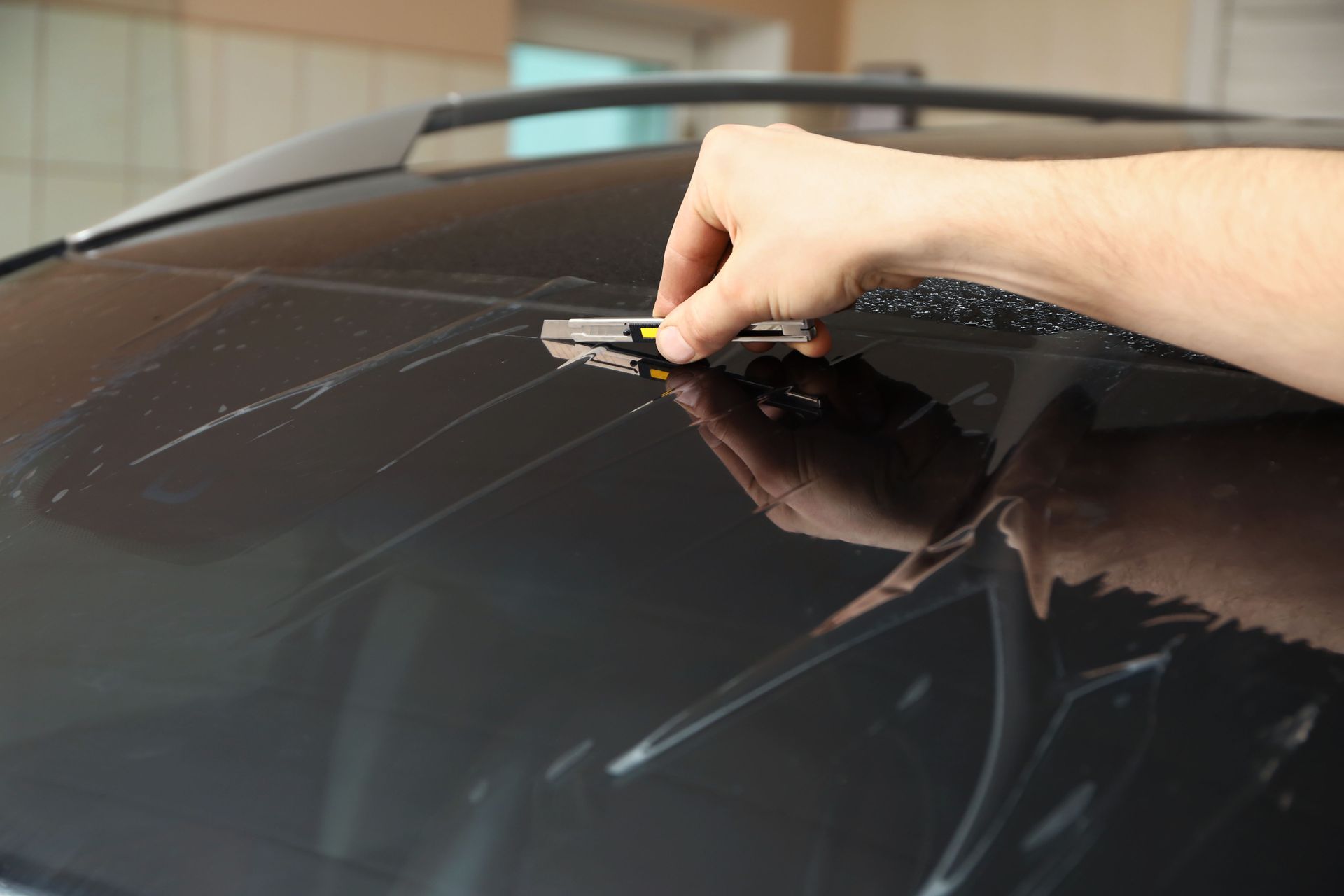
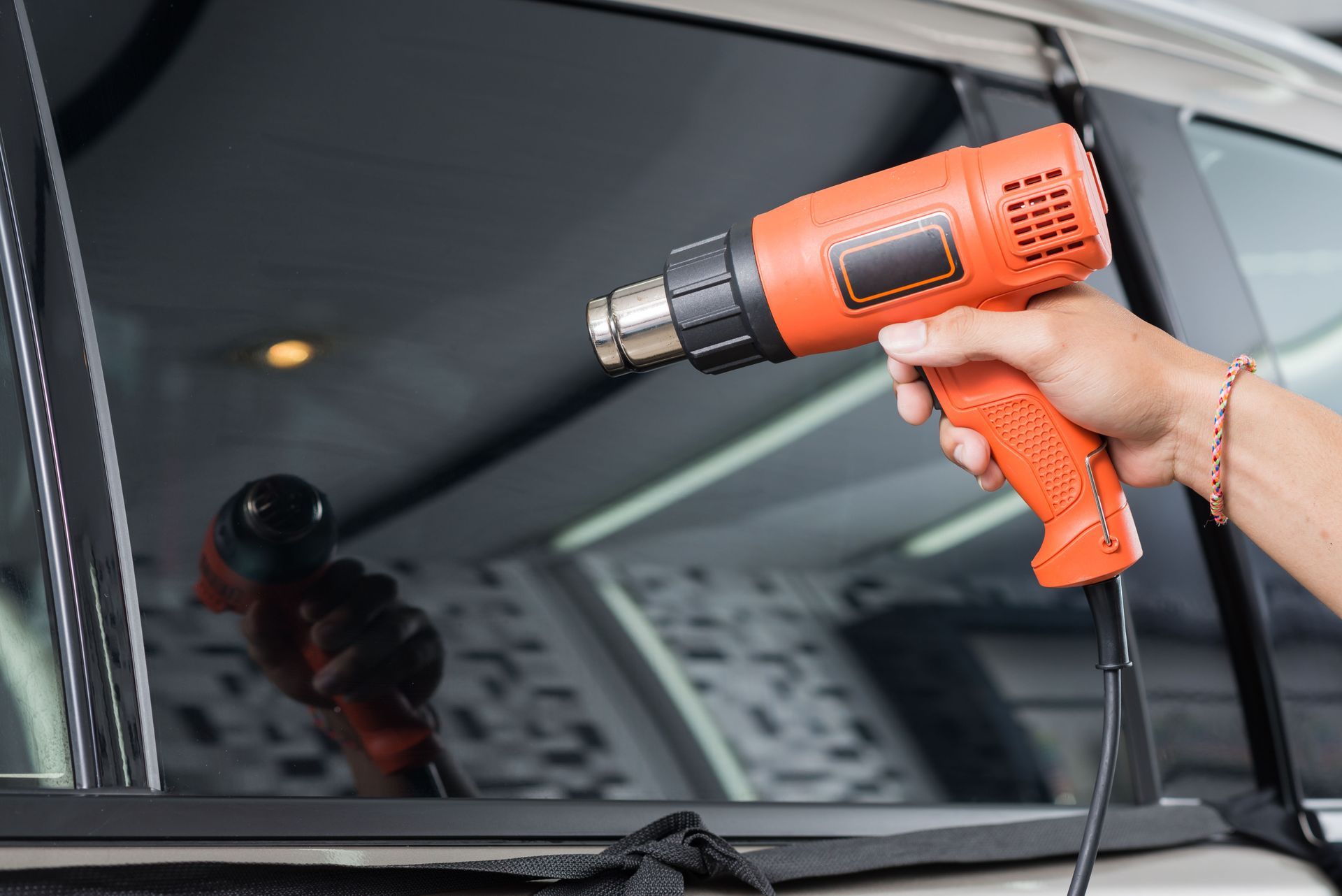
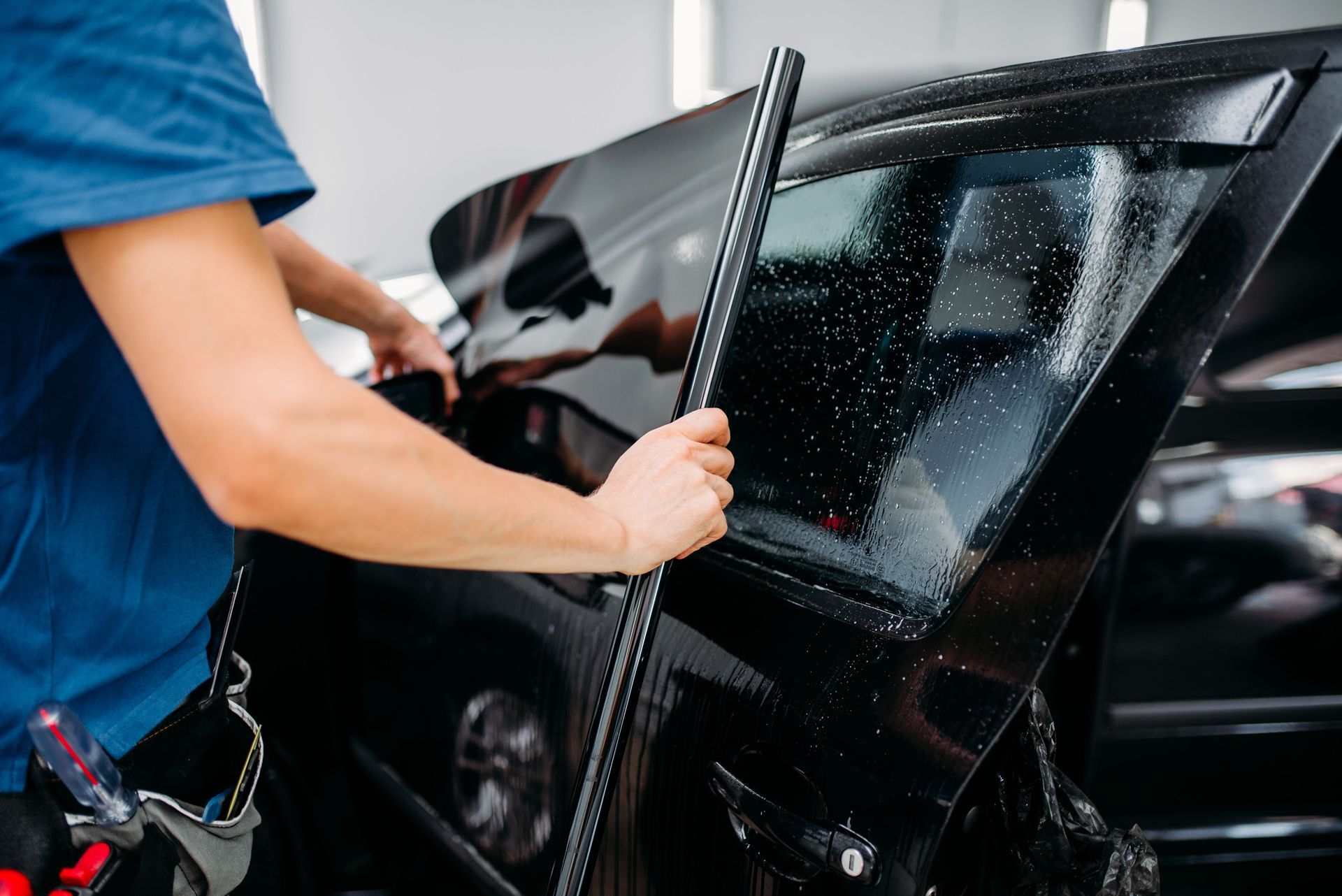
Even the best film performs poorly if it's installed incorrectly. Bubbling, peeling, and uneven application don't just look bad; they compromise the film's ability to reject heat consistently across the entire window surface. Gaps or improper edge sealing can also allow heat to seep in around the tint's borders, undermining the efficiency gains you're trying to achieve. This is precisely why working with experienced professionals rather than attempting a DIY kit or choosing the cheapest installer available matters so much. Reputable auto window tinting services use calibrated tools, precision-cut templates, and controlled environments to ensure the film adheres properly and performs as advertised for years rather than months.
Weighing Long-Term Savings Against Upfront Costs
Like most vehicle upgrades, tinting involves an upfront cost that pays off gradually over time. A full vehicle tint job typically ranges from a couple hundred dollars to over a thousand, depending on film quality and vehicle size. While this isn't a small purchase, the combination of reduced AC strain, lower interior wear from UV exposure, and modest fuel savings over years of ownership can make the investment worthwhile for many drivers. Choosing among auto window tinting services with proven film brands helps protect that investment, ensuring the performance benefits don't fade prematurely.
Considering Climate and Driving Habits Before Deciding
The fuel economy benefits of tint aren't uniform across every driver or region. Someone commuting daily through a hot, sunny climate with heavy AC use will see a more noticeable impact than someone driving primarily in cooler weather with minimal air conditioning needs. Similarly, drivers who spend a lot of time in stop-and-go traffic, where the engine is already working inefficiently, may notice a proportionally larger benefit from reduced compressor load. Before selecting from various auto window tinting services, it's worth thinking honestly about your typical driving conditions, since this context shapes how much of a return you can realistically expect from the upgrade.
Setting Realistic Expectations for Mileage Improvements
It's important to be clear that window tint is not a dramatic fuel-economy solution on its own. It won't transform a gas-guzzling SUV into a hybrid, and the improvements it offers are incremental rather than game-changing. The real value lies in how tint works alongside other efficiency habits, like proper tire inflation, regular maintenance, and mindful driving. Framing tint as one piece of a broader efficiency strategy, rather than a standalone fix, gives drivers a more accurate picture of what to expect from professional auto window tinting services and helps avoid disappointment from overinflated marketing claims.
Window tint won't rewrite your car's fuel economy numbers overnight, but the science behind reduced solar heat gain and lower AC strain is real, and the Department of Energy's figures on energy savings back up the underlying logic. When paired with quality film and skilled installation, tint offers a legitimate, if modest, path toward better efficiency alongside its more familiar benefits of comfort, privacy, and UV protection. If you're ready to explore what professional-grade film can do for your vehicle's comfort and performance, we'd love to help. At Superior Tint Of Boca, we specialize in high-performance ceramic and carbon film installations tailored to your driving needs and climate. Reach out today to schedule a consultation and see the difference quality tint can make.